GRUP ABACUS – 2026

Creative concept
Art direction
Photographic intervention on Joan Fontcuberta’s work
Manifesto
Generic poster and artist adaptations
Show communication system
Website
Social media assets
Media plan

Festival Clàssics 2026. Grup Abacus.
Would we be capable of lying?

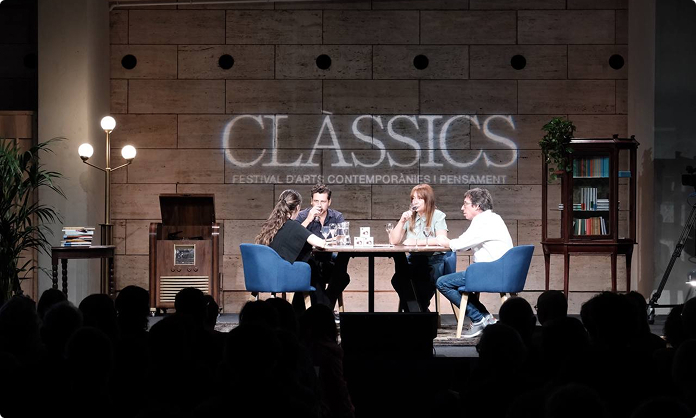
Festival Clàssics is one of Barcelona’s leading festivals of arts and ideas. Every year, its visual identity sets the tone for the entire communication system —posters, programmes, social media and venue branding— and calls for a proposal capable of connecting the world of classical literature with contemporary culture.

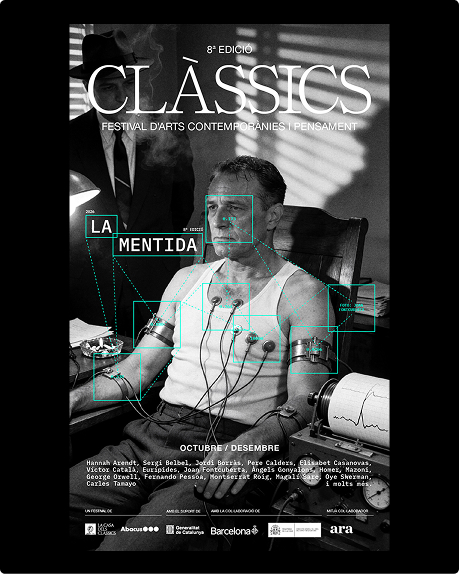
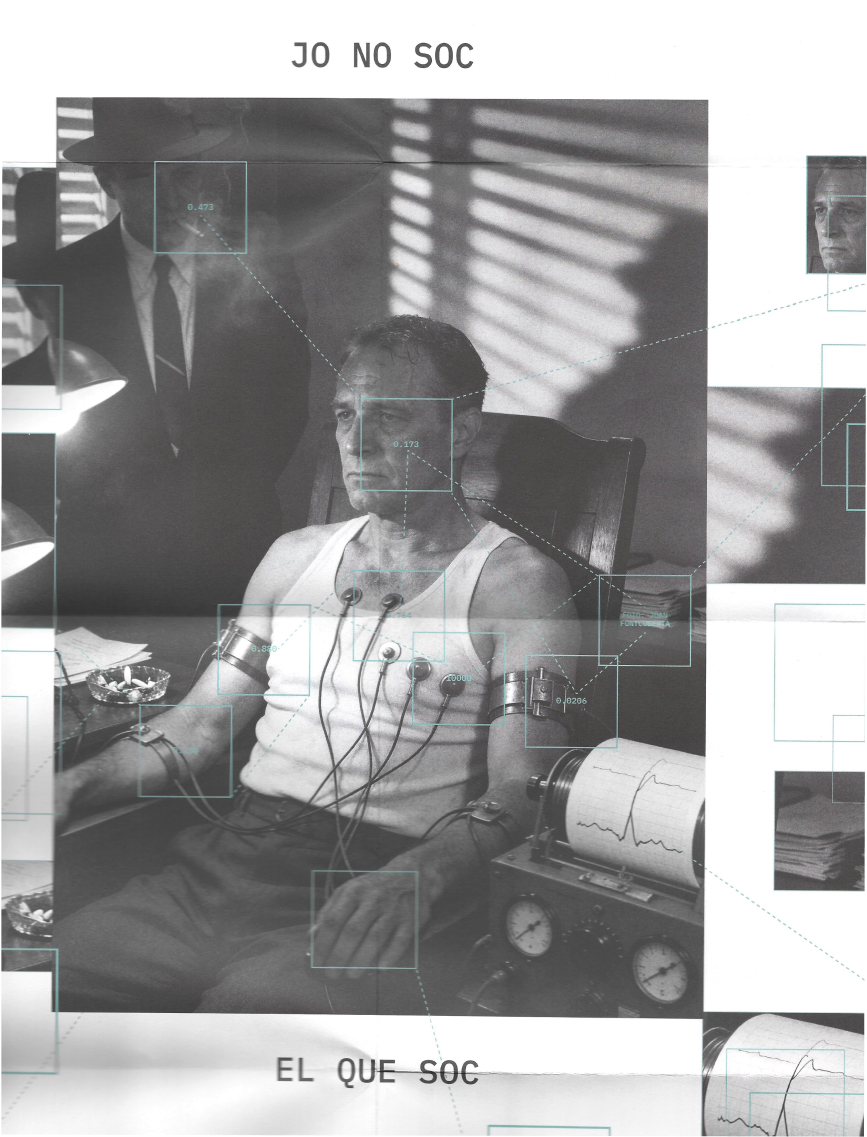
The brief came with one very specific condition: the visual identity for this edition had to be built around a photograph by Joan Fontcuberta. An image as intriguing as it was unsettling, which immediately raised an inevitable question: is it real, or was it generated by artificial intelligence? That uncertainty became the thread running through the entire project.

The theme of the edition was lying. And the image was already lying before we even knew what to do with it.

THE STRATEGIC APPROACH

Festival Clàssics commissioned us to create the complete identity for its 2026 edition, dedicated to lies and fiction. The brief covered all festival communications: logo, posters, social media, digital assets, videos, programme and venue branding.

The challenge was to build an identity that did not simply talk about lying, but actually practised it. An identity capable of creating genuine unease: making viewers unsure whether what they were looking at had been captured or fabricated.

And we had an extraordinary starting point: Joan Fontcuberta’s photograph.

MENTIM.
The same old lie. More necessary than ever.

If the festival’s identity was about lying, it had to practise it. Everything had to be questioned: the image, the artists, the talks, the spaces. Nothing deserved to be taken as true.

The question raised by Fontcuberta’s photograph —is it real or generated?— was exactly the question we wanted audiences to ask themselves with every piece of festival communication. The identity was not meant to provide answers. It was meant to multiply the questions.

THE SOLUTION

Starting from MENTIM and Fontcuberta’s photograph, we built a visual system designed to cast doubt on everything it touches.

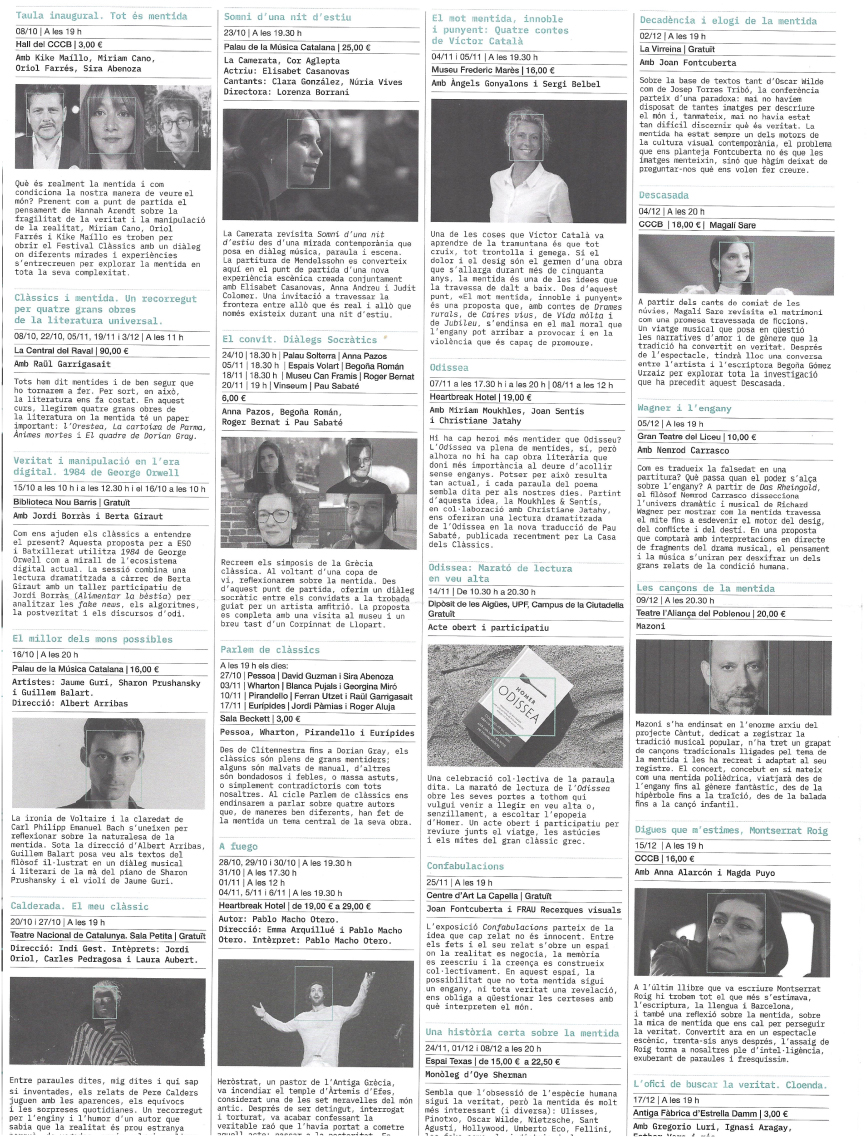
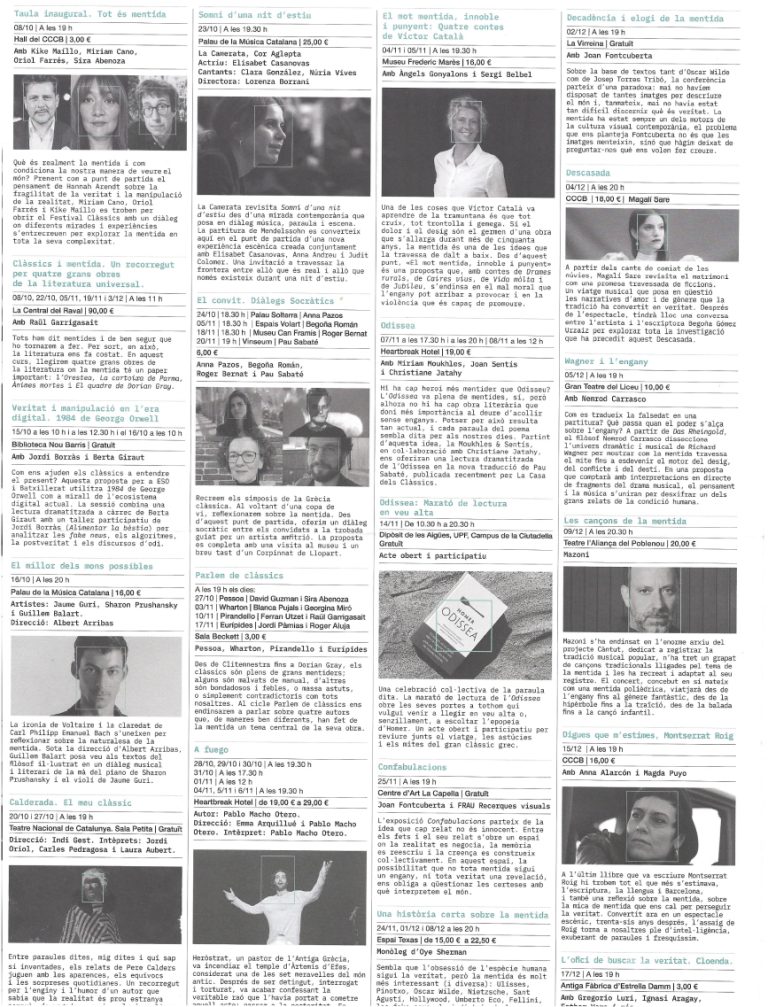
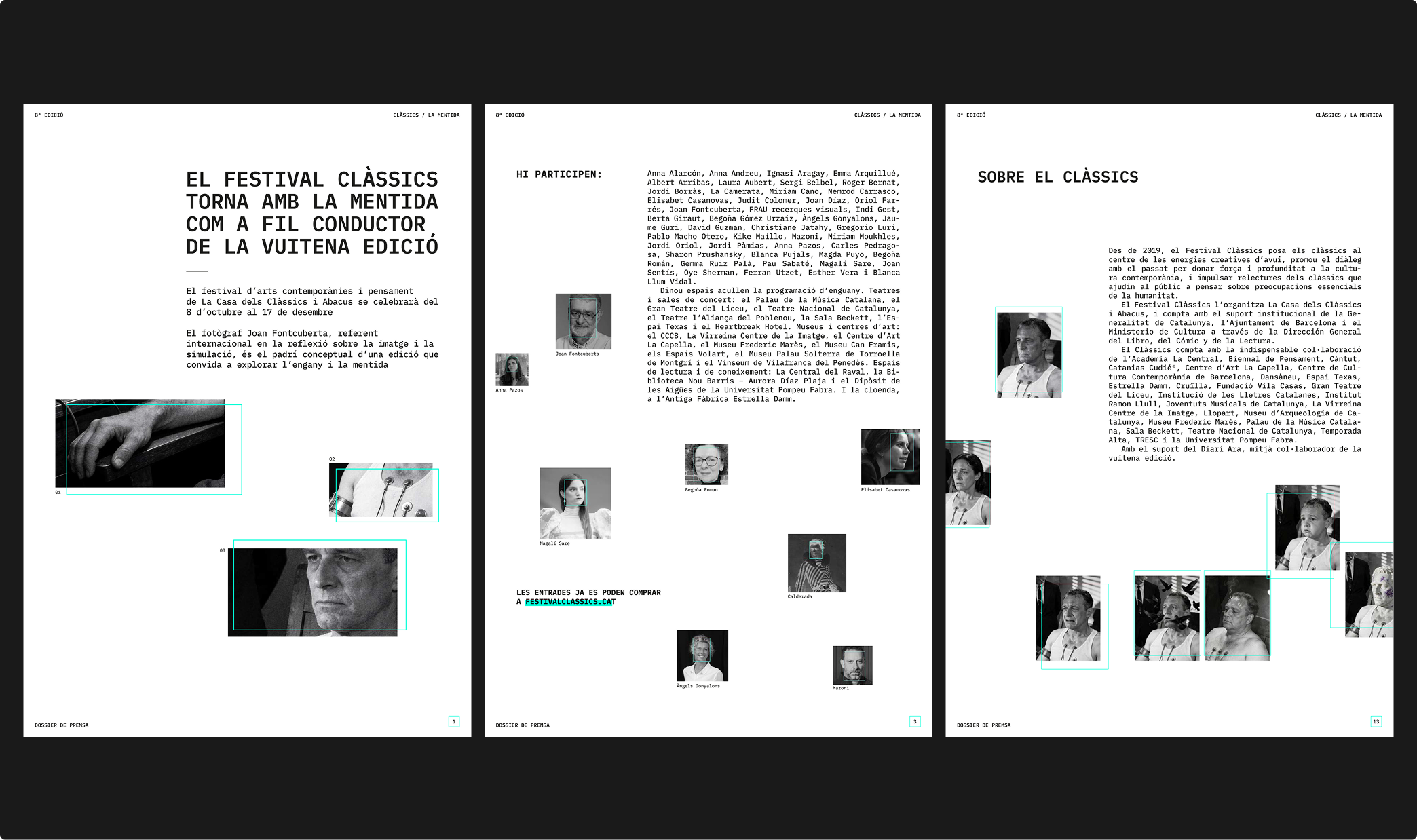
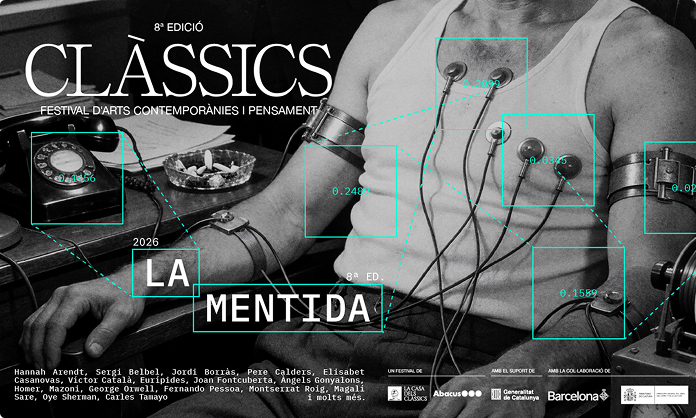
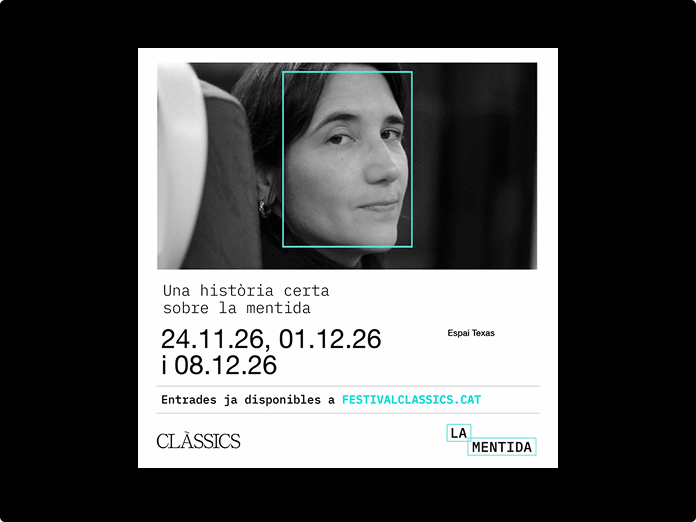
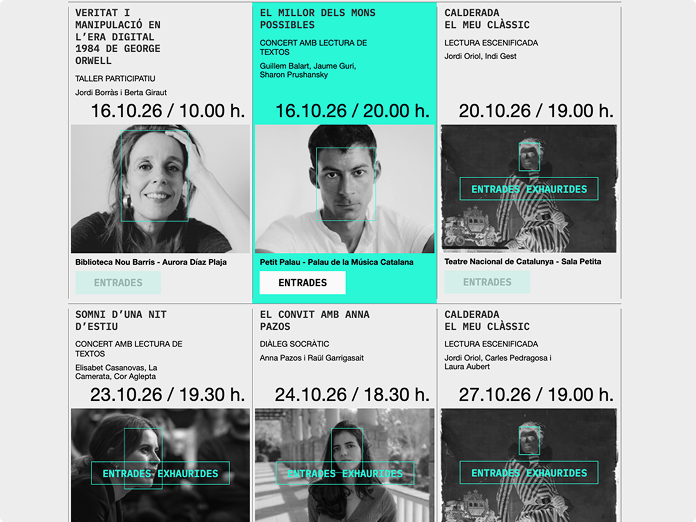
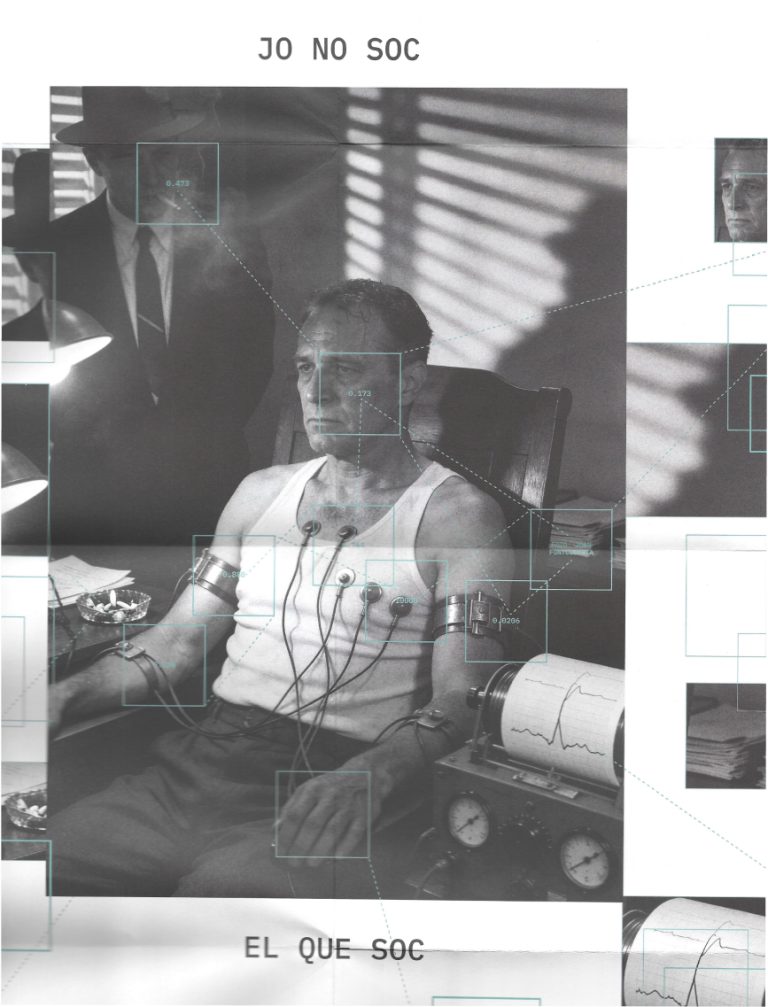
In the past, lies had a detector: the polygraph. Today, the same technologies used to analyse and verify images are also the ones generating them. We took that visual language —bounding boxes, detection rectangles, coordinates and analysis indicators— and turned it into the festival’s graphic system. Applied to artists, talks and posters, it creates a constant visual friction: viewers cannot tell whether what they are seeing has been captured, verified or fabricated altogether.

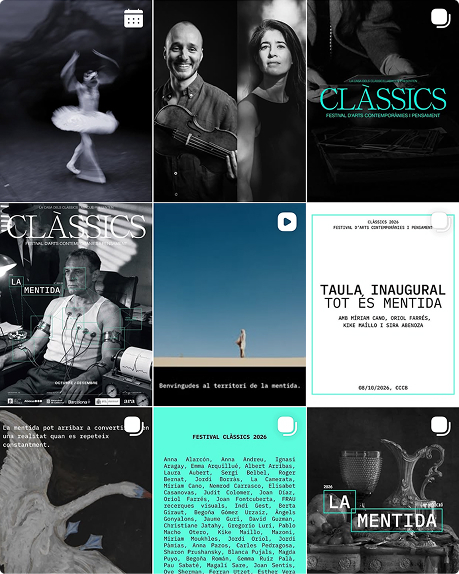
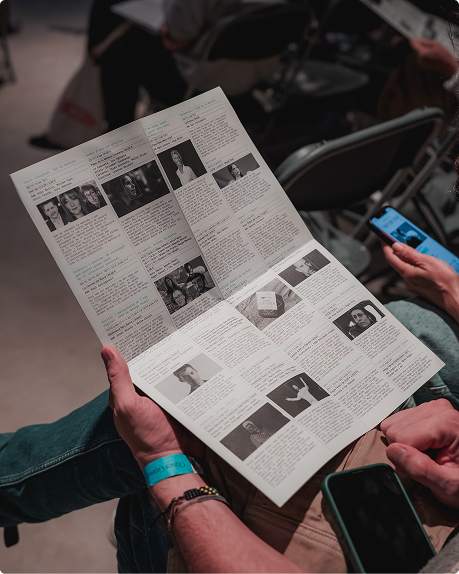
The system was rolled out consistently across all festival communications: logo, posters, social media, digital assets, videos, programme and venue branding. An identity designed to work both in static and motion formats, accompanied by a digitally inspired typeface that reinforces the overall visual universe.

The project went one step beyond the original brief. Using artificial intelligence, we generated a new version of Fontcuberta’s original photograph. The same image, yet different. Multiple possible realities coexisting, with none having any greater authority to claim that it is the real one.
RealStories project RealStories project RealStories project RealStories project
RealStories project RealStories project

An identity that does not illustrate the lie.
It practises it.

RealStories project RealStories project RealStories project RealStories project RealStories project RealStories project
RealStories project RealStories project RealStories project RealStories project
THE IMPACT

Festival Clàssics 2026 launched an identity that sparked conversation before the festival had even begun. Its visual ambiguity —real or fabricated?— became the edition’s main communication asset.

The coherence of the system allowed the identity to extend across every format without losing tension: from large-scale posters to social media content and the interior branding of the venues.

And Fontcuberta’s photograph —together with its AI-generated double— worked exactly as intended: nobody could say for certain which one was the original.